Table Of Content

Make sure your car has hardware for Autopilot if it is an earlier model. The cruise control system in a Tesla Model 3 is sophisticated and includes tools like adaptive cruise control. It can modify your speed to keep a safe following distance based on the traffic in the area.
Set your desired speed
When earlier companies asked, it took up to 10 months to get them, though that process might be sped up. Although the security feature is handy and somewhat necessary, it takes a lot of battery life to operate, and some complained of excessive vampire drain. So, even if FSD is improved, sustainable competitive advantages may not continue.
Adjust the speed using the cruise control stalk
When engaging Autopilot for the first time, the driver must agree to a message on the touchscreen display. To operate a robotaxi, Tesla needs a self-driving system, and it isn’t even remotely close to having one, and then getting the permits needed from states (and perhaps cities) to operate. While there are many reports of Tesla’s “Supervised FSD” improving significantly with the most recent release, reports suggest that rides still need interventions from time to time. Cruise was pulled off the roads even though they were doing more than 10,000 trips.
Turning on Autopilot
This costs $6,000 at the time of writing, and includes functions called Navigate on Autopilot, Auto Lane Change, Autopark, Summon and Smart Summon. There have been several generations of Autopilot, with many software upgrades for drivers to install in order to give their car the latest features. As of early 2023, Tesla says new cars are equipped with eight external cameras and "powerful vision processing to provide an additional layer of safety." Cruise control is a valuable feature that is designed to make driving easier and more comfortable. It allows you to set a desired speed and have the vehicle maintain that speed without the need for constant acceleration or deceleration. This not only reduces driver fatigue, but it also helps increase fuel efficiency by maintaining a consistent speed.
Tesla’s Elon Musk gives subtle nod to more affordable FSD monthly subscriptions
Adaptive cruise control, on the other hand, takes cruise control to a new level. It not only allows you to set a target speed, but it also uses sensors and cameras to automatically adjust the vehicle's speed to maintain a safe following distance from the vehicle ahead. This is particularly useful for highway driving or stop-and-go traffic.
Tesla’s plan to build a dedicated vehicle suggests that it also expects a corporate-owned fleet to provide most of the rides. Private cars hired out might make sense to handle peak demand times when the corporate fleet is not large enough. That will make some money for those private owners—in fact rates at peak “surge” times will be higher—but it probably won’t let them turn a profit on their car. Indeed, it may never work with the more basic cameras found in earlier model Teslas, though they and the computer inside might be upgraded.
Stalkless Talk: Using the Tesla Model 3's New Steering Wheel - MotorTrend
Stalkless Talk: Using the Tesla Model 3's New Steering Wheel.
Posted: Wed, 08 Nov 2023 08:00:00 GMT [source]
All Tesla cars built for the North American market all come with the company's camera-based Tesla Vision system. In Europe and Middle Eastern markets, only the Model 3 and Model Y come with Tesla Vision, says Tesla. For now, and until both technology and legislation allow, Autopilot should be seen as an advanced driver assistance system.
If Tesla could enter this market, it would face existing competition. Waym0 has already established autonomous ride-hailing in San Francisco and the peninsular, Phoenix, and is now entering Los Angeles. GM Cruise was successful in a dozen markets before it suspended operation, but it is now getting back more carefully. Uber and Lyft are doing some testing and will need to remain competitive with autonomous ride-hailing (robotaxi). As I've mentioned in previous articles, the economics of autonomous ride-hailing will cannibalize ride-sharing with much lower costs. Autonomous Ride-Hailing Services (Robotaxis) are restricted to specific geo-fenced areas and routes.
With the Tesla Model 3, cruise control goes a step further with the integration of their unique Autopilot system. It takes over the responsibility of maintaining your speed so you can take it easy. It can even change your speed in response to what is going on around you, such as slowing down if a slower vehicle is in front of you. It seems magical, but in reality, it’s just sophisticated technology that makes your drive safer and more comfortable. There is, however, a reason why Waymo and most other companies are making dedicated robotaxis. If you sell a car to a customer, it goes out of your hands, and it’s much harder to manage it and support it.
Super Cruise restricts operation to the detailed mapped areas; only certain GM vehicles have this capability. Depending on the vehicle, 20,000 to 40,000 miles of roads are available. GM Super Cruise is an adaptation of sufficiently autonomous driving and could have advantages over Tesla in substantially autonomous driving. This technology platform primarily uses multiple cameras and radar sensors that provide input into an onboard computer to control the vehicle.
Turning on cruise control in a Tesla is a simple process that can be done in just a few seconds. By following the steps outlined in this article, you can safely and easily enjoy the benefits of cruise control on your next road trip. The Model 3 is equipped with adaptive cruise control, meaning cameras on the outside of the car detect its surroundings and decelerate or accelerate to maintain following distances. Press the brake pedal a little bit to momentarily stop cruise control. Gently depress the gas pedal or move the Autopilot stalk in your direction to restart. This is useful if you get into traffic or have to temporarily take over driving the vehicle.
Whether you're using standard cruise control for a long highway journey or adaptive cruise control to navigate through traffic, Tesla's Autopilot system provides added convenience and safety. Sufficiently autonomous driving is not suited for privately owned vehicles because of the limited driving areas. This technology platform is focused on autonomous ride-hailing services (robotaxis), autonomous delivery, and autonomous long-haul trucking. These are the three most significant market opportunities for autonomous vehicles. Limiting autonomous vehicles to a geo-fenced area is acceptable in these markets.
Fully autonomous driving equates to SAE Level 5 and enables driving anywhere at any time without a driver in the vehicle. Currently, there is no viable fully autonomous driving technology, and it is not likely for a very long time. Semi-autonomous driving technology is already available in millions of vehicles today and is used routinely to drive millions of miles daily on highways autonomously. I've used it for more than 10,000 miles over the last four years with a Tesla and Mercedes.
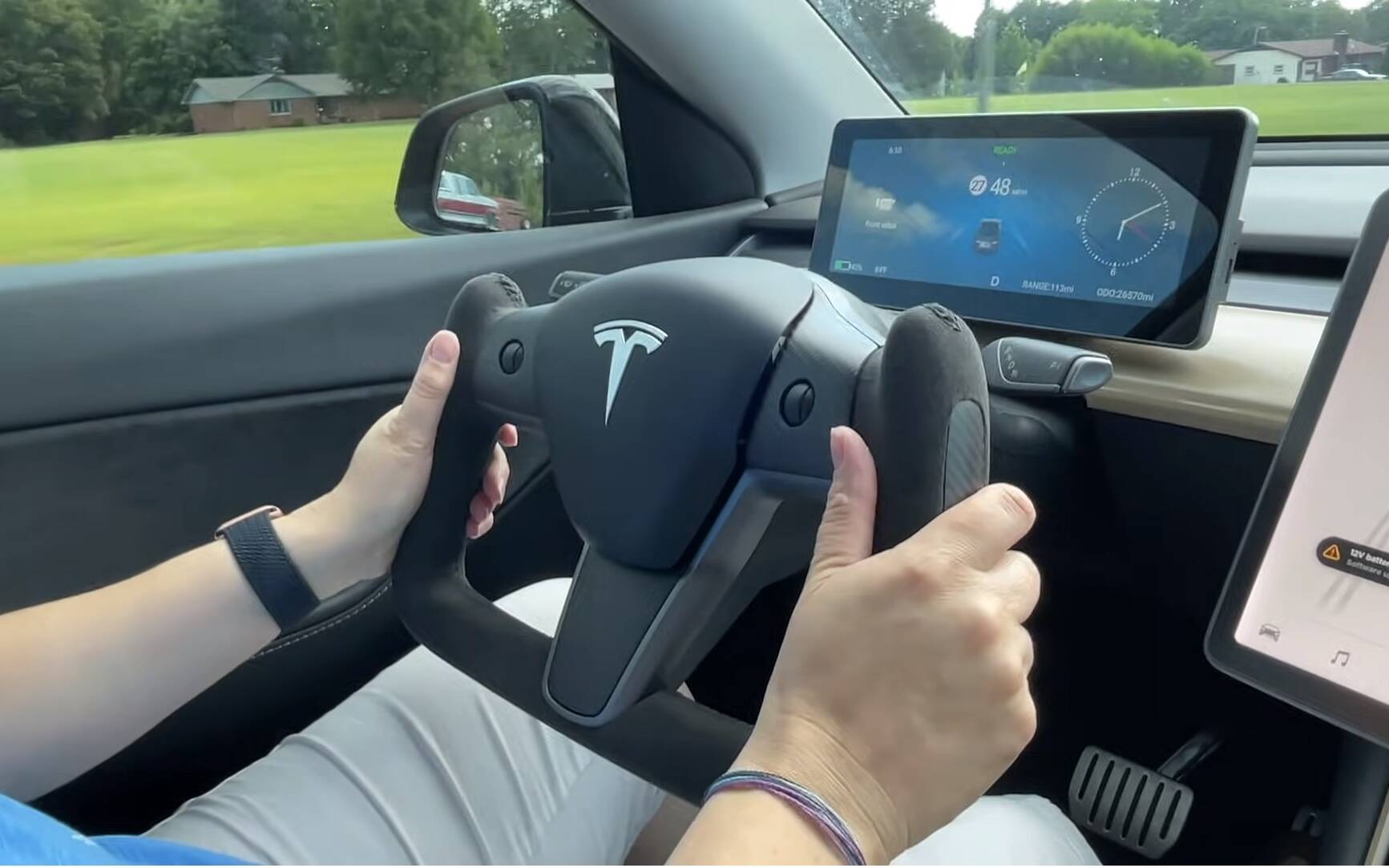
Teslas are today lucky to do 10 trips without needing an important intervention. These examples illustrate the limitations of a camera-based autonomous driving system, and they cannot likely be overcome with software improvements and miles-driven experience. This limitation becomes more critical because Tesla doesn't have any road limitations.
Tesla Model 3 Highland first drive: Refined, and with no stalks! - The Driven
Tesla Model 3 Highland first drive: Refined, and with no stalks!.
Posted: Fri, 01 Dec 2023 08:00:00 GMT [source]
When driving with kids and looking for a way to keep them occupied, using an iPad can be a lifesaver. Meanwhile, the person in the passenger seat can show you how to operate the cruise control feature, allowing the driver to maintain a steady speed without having to constantly adjust the gas pedal. In addition to cruise control, your Tesla may also have other features that can help you with highway driving, such as lane departure warning and automatic emergency braking. These features can help to keep you safe and make your journey more enjoyable. Tesla's Full Self-Driving Capability is a revolutionary technology that aims to take autonomous driving to the next level.


No comments:
Post a Comment